Pennywise Path is a finance blog that helps readers move from debt and financial struggle to confident money management and long-term wealth. It’s about more than just getting out of the minus — it’s a journey toward clarity, control, and lasting freedom.
The information provided on this website is for educational and informational purposes only. It does not constitute financial, investment, or legal advice. I am not a financial advisor, and the content shared here is based on personal experience and general knowledge. You should always do your own research and speak with a qualified professional before making any financial decisions. The use of any information from this site is solely at your own risk.
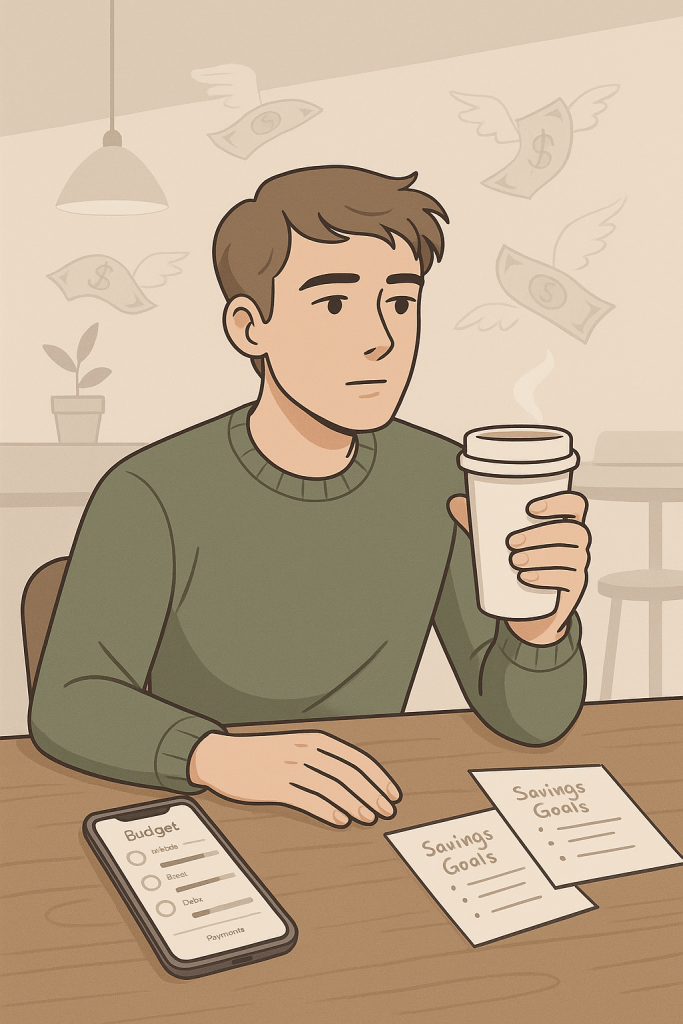
When I finally decided to take a hard look at my finances, I kept asking myself the same question:
“Where did all my money go?”
I wasn’t living a lavish lifestyle. There were no designer wardrobes or five-star holidays draining my bank account. And yet, I was buried in debt.
That’s when I realised — it wasn’t big, flashy purchases that got me here. It was the small, unconscious spending habits I repeated every day without thinking.
How a £3 Coffee Opened My Eyes to Debt: The Power of Small Financial Wins
One of the first things I noticed was my coffee habit — a harmless £3 here and there. It felt like nothing.
But the maths told a different story:
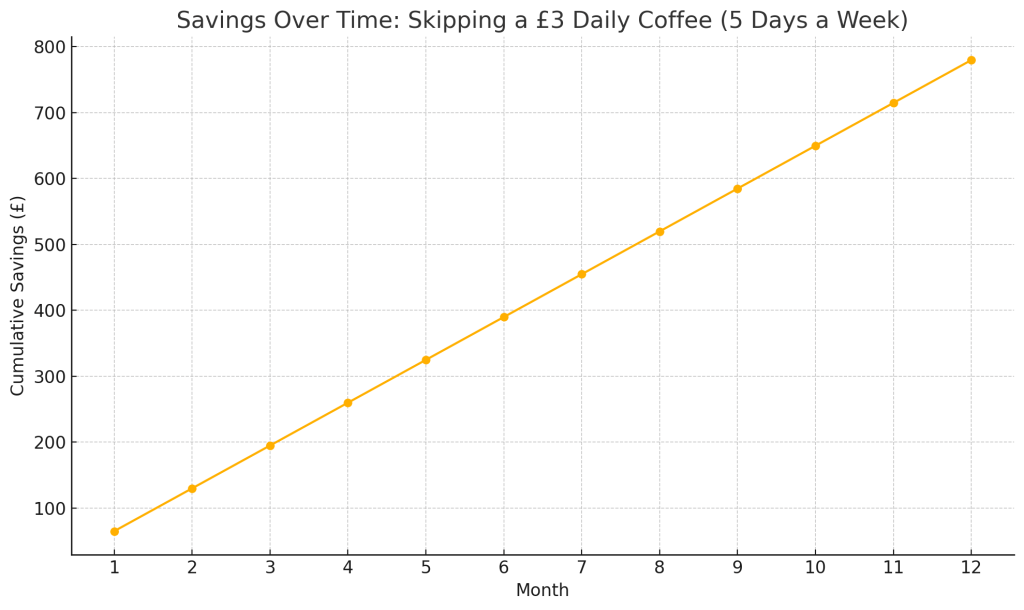
£3/day × 5 days/week × 52 weeks = £780 per year
That’s nearly £800 that could have gone toward:
Paying off high-interest credit card debt
Starting an emergency fund
Investing for long-term growth
Reading Financial Freedom by Grant Sabatier helped me see the bigger picture. He explains that every pound spent today has a future cost. That £3 coffee wasn’t just costing me in the moment — it was costing me freedom later on.
This applies whether you’re in the UK, Canada, or the US. The numbers — and the habits — are universal.
It’s Not About Giving Up Everything
Let me be clear: this isn’t about deprivation.
It’s about being intentional with your money. I didn’t swear off coffee for life — I just made it a conscious choice, not a daily default.
Here’s what I did:
Skip 3 coffees = £9 toward debt
Reach £100 saved = guilt-free latte
Every £250 paid off = reward with something small (like a takeaway or movie night)
These small milestones helped me stay engaged. I felt like I was finally moving forward.
Small Wins Compound Like Interest
Every £5 you don’t spend matters. Every payment you make, no matter how small, is progress. And just like interest builds up on debt, consistency builds momentum in your favour.
The biggest breakthroughs didn’t come from massive income increases. They came from the moment I realised I could change — one mindful habit at a time.
You don’t need to be perfect. You don’t have to cut out every treat.
You just need to:
Notice where your money’s really going
Celebrate small wins
Stay consistent, even when progress feels slow
Because real financial freedom doesn’t come all at once. It’s built, one small choice at a time.
Inspired by:Financial Freedom by Grant Sabatier — highly recommend it if you want to understand how time, money, and intention work together. Found in the recommended section
[…] concept ties directly to what I explored in The Psychology of Spending: Why Small Wins Matter More Than You Think. We crave instant gratification. And when your reward is years away, your brain may sabotage your […]
 Pennywise Path
Leave a comment